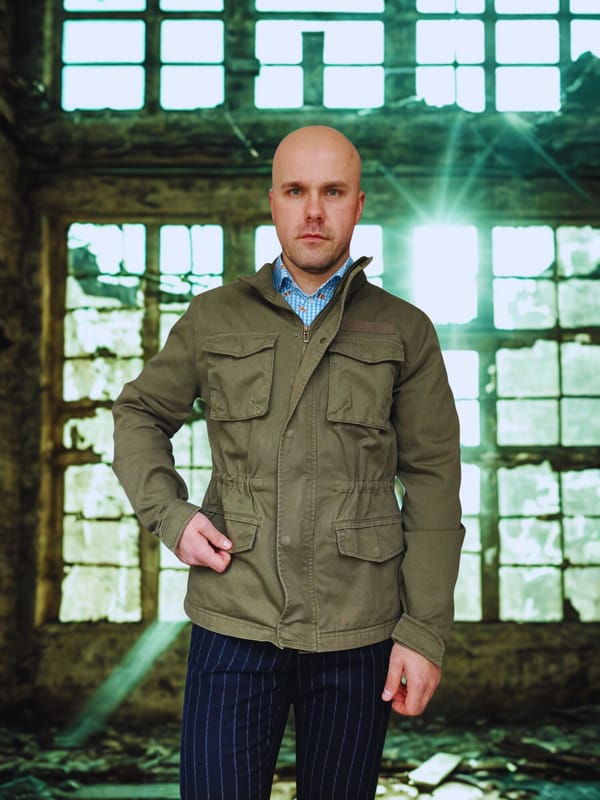
Clothes as Coaching Tools: How Dressing Shapes Confidence and Identity
Clothes are more than fabric — they’re silent coaches. Every jacket, tie, or pocket square can guide your confidence, discipline, and identity. Dressing well isn’t vanity; it’s self-leadership.
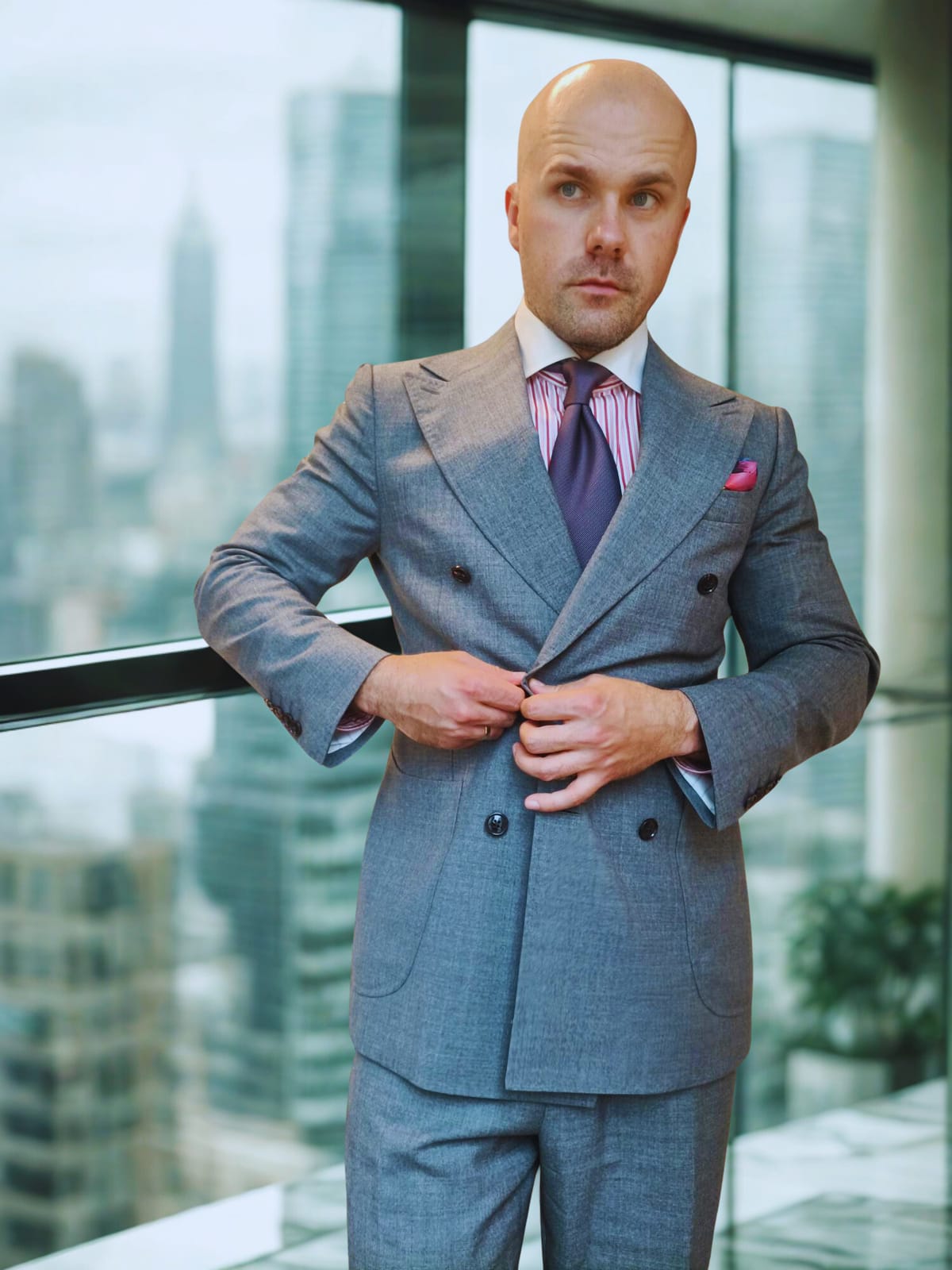
Most people think of coaching as something that happens in a quiet room, with notebooks full of goals and a mentor asking sharp questions. But coaching can also happen every morning, in front of a mirror. Because clothes are not just fabric — they are symbols, statements, and subtle tools for guiding identity. The right outfit can be as transformative as a motivational speech.
The Mirror as a Mentor
When you put on a suit, a crisp shirt, or even a pair of polished shoes, you are not just covering your body. You are telling yourself: this is who I am today, and this is the role I choose to play. Psychologists call it enclothed cognition — the idea that what we wear changes not only how others see us, but how we behave and think.
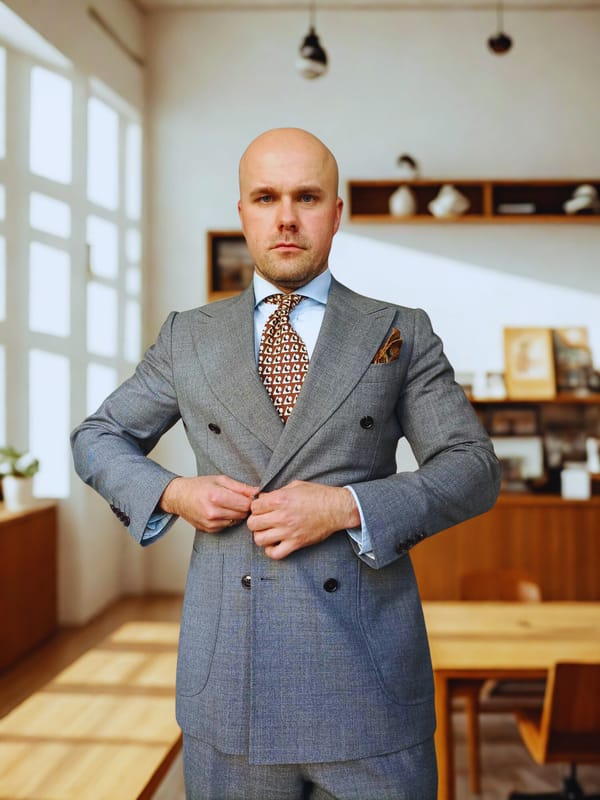
Think about it: nobody feels the same in sweatpants as in a blazer. The moment you adjust a tie or button a jacket, something inside shifts. It is a micro-coaching session, a gentle nudge toward confidence, discipline, or even creativity.
Coaching the Self Through Style
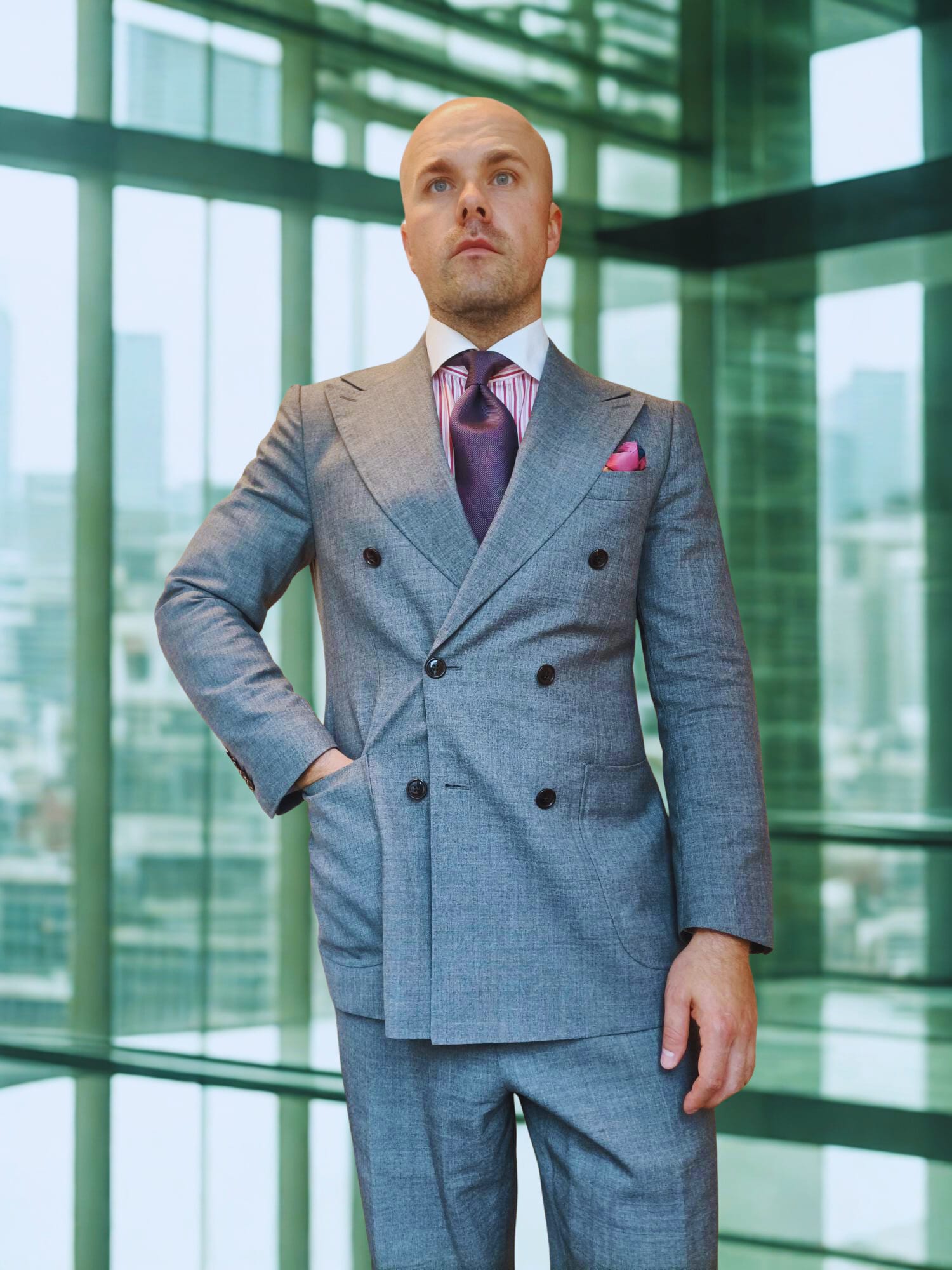
In coaching, one of the most powerful exercises is identity rehearsal: acting as if you are already the person you want to become. Clothes make this practice visible. You can dress as the leader you aspire to be, the artist you secretly are, or the gentleman who walks with quiet assurance.
It doesn’t mean wearing expensive brands or chasing trends. It means aligning your wardrobe with your goals. If your goal is clarity, you wear clean lines and neutral tones. If your goal is boldness, you dare with colors or patterns. Each choice becomes a message you send not just to the world, but to yourself.
Beyond Vanity, Toward Strategy
Many dismiss dressing well as vanity, but vanity is shallow — strategy is deeper. A coach tells you to prepare for challenges, to anticipate obstacles, and to show up fully. Dressing with intention does the same. It prepares you mentally for the negotiations, the date, the presentation, or even the everyday chaos.
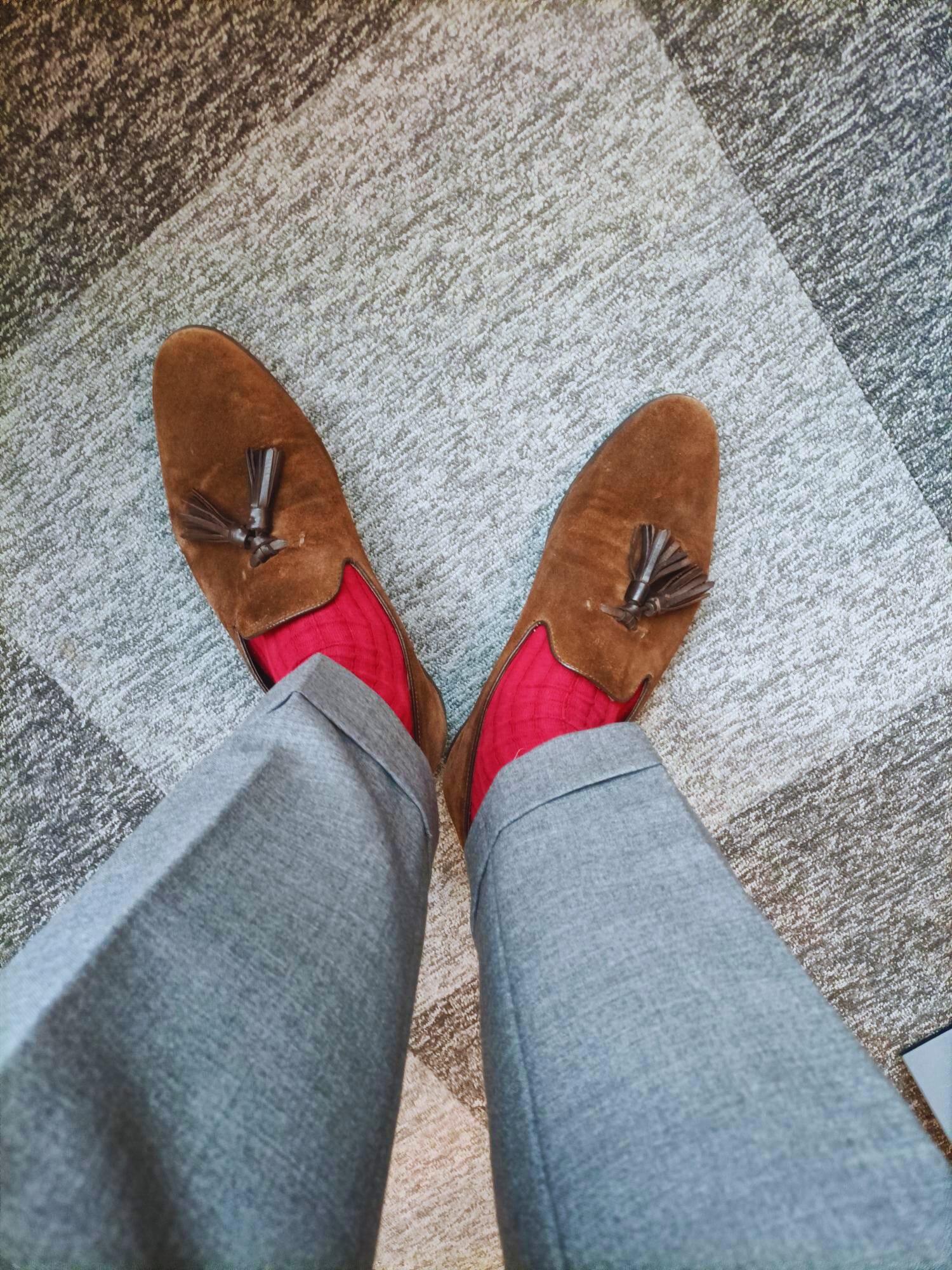
Clothes can coach you into patience (a carefully folded pocket square), focus (the simplicity of a monochrome outfit), or resilience (the polish of shoes that carry you through long days). They are not decorations; they are reminders of discipline.
Practical Reflections
If you want to test this theory, start small.
- Choose one piece that symbolizes your goal. Maybe it’s a watch that reminds you of time, or a jacket that gives you posture.
- Use clothes as rituals. Just as meditation starts with a breath, confidence can start with knotting a tie.
- Dress for the role you want, not the role you fear. Every morning becomes practice, not just performance.
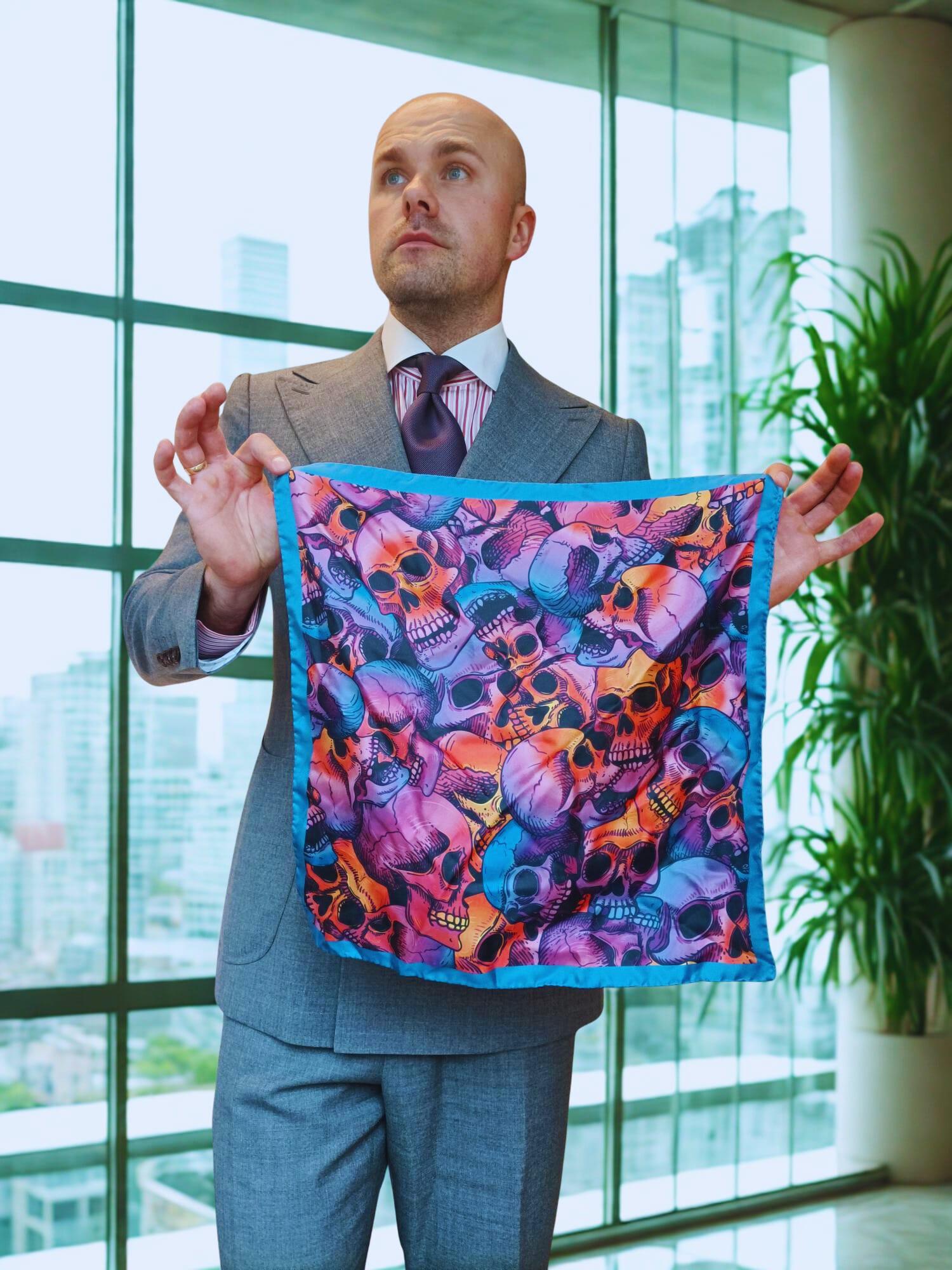
These small decisions accumulate into identity. The man who chooses elegance daily slowly becomes elegant not only in clothes, but in action.
Conclusion
Clothes are the silent coaches we all carry with us. They whisper into our posture, our choices, and our confidence. To dress well is not just to impress others — it is to impress upon yourself the image of who you want to become. Every button, every fold, every shade can be a tool, shaping not only how the world sees you, but how you choose to see yourself.
Dressing well is not vanity. It is self-leadership — a dialogue between fabric and identity, between intention and action. And in that dialogue, we often discover the person we are becoming.